
An intellectual history of liberalism
Our rough guess is there are 32,000 words in this book.
At a pace averaging 250 words per minute, this book will take 2 hours and 8 minutes to read. With a half hour per day, this will take 4 days to read.
How long will it take you?
This book will take an estimated to read at a reading speed averaging words per minute. With 30 minutes per day, this will take to read.
Enter your reading speedYou can take one of our WPM reading speed tests to find your reading speed.
Create a free account to track your reading progress, build your reading list, and set reading goals.
We earn a commission on purchases
Author
Publication
1994 - Princeton University Press, Princeton, N.J, New Jersey
Language
English
Word Count
32,000 words, Guess
Page Count
128 pages
Identifiers
- Open LibraryOL1079763M
- ISBN-100691034370
- OCLC Control Number29797803
- Library of Congress Control Number94003110
- Goodreads2959621
and 1 more
- LibraryThing484808
Classifications
- DDC320.5/12/09
- LCCJC571 .M326613 1994
Description
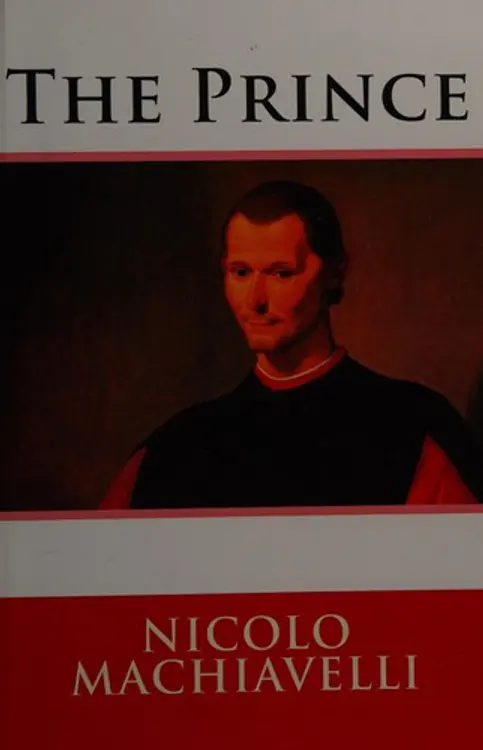
Highlighting the social tensions that confront the liberal tradition, Pierre Manent draws a portrait of what we, citizens of modern liberal democracies, have become. For Manent, a discussion of liberalism encompasses the foundations of modern society, its secularism, its individualism, and its conception of rights. The frequent incapacity of the morally neutral, democratic state to further social causes, he argues, derives from the liberal stance that political life does not serve a higher purpose. Through a series of quick-moving, highly synthetic essays, he explores the development of liberal thinking in terms of a single theme: the decline of theological politics. The author traces the liberal stance to Machiavelli, who, in seeking to divorce everyday life from the pervasive influence of the Catholic church, separated politics from all notions of a cosmological order. What followed, as Manent demonstrates in his analyses of Locke, Hobbes, Rousseau, Guizot, and Constant, was the evolving concept of an individual with no goals outside the confines of the self and a state with no purpose but to prevent individuals from dominating one another. Weighing both the positive and negative effects of such a political arrangement, Manent raises important questions about the fundamental political issues of the day, among them the possibility of individual rights being reconciled with the necessary demands of political organization, and the desirability of a government system neutral about religion but not about public morals.
First Sentence
HOW SHALL we begin?
Subjects
Series Statement
- New French thought
Other Editions
- An intellectual history of liberalism
Similar Books
Reader Reviews
No reviews yet for this book.
Be the first to share your thoughts!