
The longest shadow
in the aftermath of the Holocaust
Our rough guess is there are 44,750 words in this book.
At a pace averaging 250 words per minute, this book will take 2 hours and 59 minutes to read. With a half hour per day, this will take 6 days to read.
How long will it take you?
This book will take an estimated to read at a reading speed averaging words per minute. With 30 minutes per day, this will take to read.
Enter your reading speedYou can take one of our WPM reading speed tests to find your reading speed.
Create a free account to track your reading progress, build your reading list, and set reading goals.
We earn a commission on purchases
Author
Publication
1996 - Indiana University Press, Bloomington, Indiana
Language
English
Word Count
44,750 words, Guess
Page Count
179 pages
Identifiers
- Open LibraryOL789836M
- ISBN-100253330335
- OCLC Control Number32589892
- OCLC Control Numberlongestshadowina0000hart
- Library of Congress Control Number95022267
and 2 more
- LibraryThing1387546
- Goodreads5226055
Classifications
- DDC940.53/18
- LCCD804.3 .H359 1996
Description
Distinguished literary scholar Geoffrey H. Hartman, himself forced to leave Germany at age nine, collects his essays, both scholarly and personal, that focus on the Holocaust. Hartman contends that although progress has been made, we are only beginning to understand the horrendous events of 1933 to 1945. The continuing struggle for meaning, consolation, closure, and the establishment of a collective memory against the natural tendency toward forgetfulness is a recurring theme. The many forms of response to the devastation - from historical research and survivors' testimony to the novels, films, and monuments that have appeared over the last fifty years - reflect and inform efforts to come to grips with the past, despite events (like those at Bitburg) that attempt to foreclose it. The stricture that poetry after Auschwitz is "barbaric" is countered by the increased sense of responsibility incumbent on the creators of these works.
Description
Distinguished literary scholar Geoffrey H. Hartman, himself forced to leave Germany at age nine, collects his essays, both scholarly and personal, that focus on the Holocaust. Hartman contends that although progress has been made, we are only beginning to understand the horrendous events of 1933 to 1945. The continuing struggle for meaning, consolation, closure, and the establishment of a collective memory against the natural tendency toward forgetfulness is a recurring theme. The many forms of response to the devastation - from historical research and survivors' testimony to the novels, films, and monuments that have appeared over the last fifty years - reflect and inform efforts to come to grips with the past, despite events (like those at Bitburg) that attempt to foreclose it. The stricture that poetry after Auschwitz is "barbaric" is countered by the increased sense of responsibility incumbent on the creators of these works.
Subjects
Topics
Series Statement
- The Helen and Martin Schwartz lectures in Jewish studies
Similar Books

Ordinary men: Reserve Police Battalion 101 and the final solution in Poland
Christopher R. Browning

Eichmann in Jerusalem: a report on the banality of evil
Hannah Arendt ; introduction by Amos Elon.

The Pianist: The Extraordinary Story of One Man's Survival in Warsaw, 1939-45
Władysław Szpilman, Anthea Bell, Wilm Hosenfeld
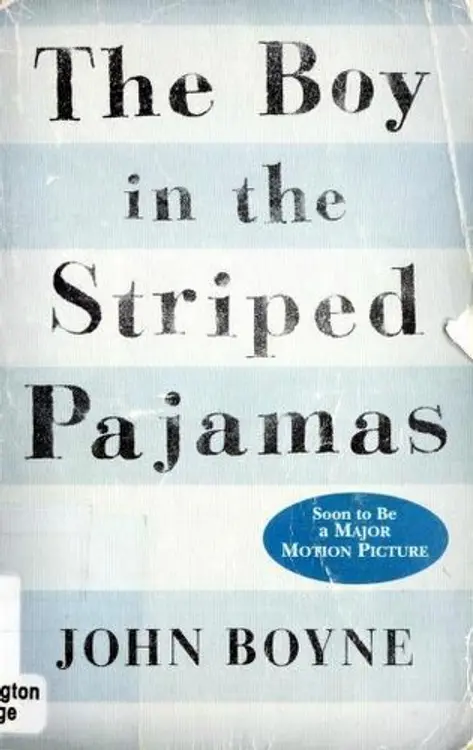
The Boy in the Striped Pajamas
John Boyne

Holocaust restitution: perspectives on the litigation and its aftermath
edited by Michael J. Bazyler and Roger P. Alford.
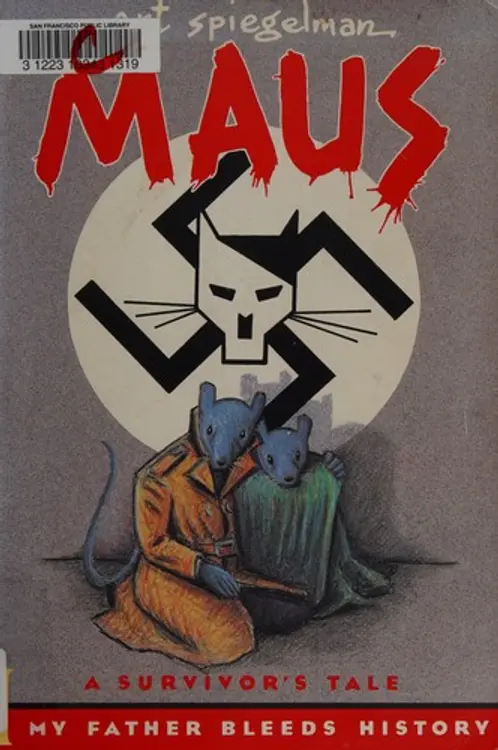
Maus I: a survivor's tale : my father bleeds history
Art Spiegelman.
The abandonment of the Jews: America and the Holocaust, 1941-1945
David S. Wyman.

The Complete Maus
Art Spiegelman
Reader Reviews
No reviews yet for this book.
Be the first to share your thoughts!