
Sister Arts
The Erotics of Lesbian Landscapes
Our rough guess is there are 60,750 words in this book.
At a pace averaging 250 words per minute, this book will take 4 hours and 3 minutes to read. With a half hour per day, this will take 8 days to read.
How long will it take you?
This book will take an estimated to read at a reading speed averaging words per minute. With 30 minutes per day, this will take to read.
Enter your reading speedYou can take one of our WPM reading speed tests to find your reading speed.
Create a free account to track your reading progress, build your reading list, and set reading goals.
Author
Publication
2011 - University of Minnesota Press, Minneapolis, Minnesota
Language
English
Word Count
60,750 words, Guess
Page Count
243 pages
Physical Format
Hardcover
Identifiers
- ISBN-100816670137
- ISBN-100816670145
- ISBN-139780816670130
- ISBN-139780816670147
- Library of Congress Control Number2011001280
and 4 more
- OCLC Control Number687677503
- Better World Books9780816670147
- Better World Books9780816670130
- Open LibraryOL25032379M
Classifications
- DDC704/.086643
- LCCNX650.H6 M66 2011
- LCCNX650.H6M66 2011
Alternate Titles
- Erotics of lesbian landscapes
Description
In the great age of English garden design, eighteenth-century women working in the “sister arts” of painting, poetry, and landscape gardening adapted the Linnaean system of plant classification and the tradition of the erotic garden to create art with and for other women that celebrated everything from classical friendship to erotic love. In this book, filled with lush illustrations and intriguing stories, Lisa L. Moore reveals how these women artists used flowers, gardens, and landscapes to express their love for other women. Aristocratic diarist Mary Delany built a garden grotto for the exclusive use of herself and the naturalist and collector Margaret Bentinck, Duchess of Portland. Romantic poet Anna Seward, mourning the loss of Honora Sneyd to an unworthy marriage and then death, wrote her beloved’s face and body into her landscape poems. And in 1790s Connecticut, feminist intellectual Sarah Pierce transformed texts and images into a new poetic evocation of intimacy between women both egalitarian and erotic. These women, Moore shows, influenced later works by Emily Dickinson, Georgia O’Keeffe, Frida Kahlo, and Tee Corinne. Moore goes on to trace the legacy of the lesbian sister arts tradition in subsequent art and poetry, including contemporary multimedia work by Kara Walker, Michelene Thomas, Alma Lopez, and Allyson Mitchell. Her book redefines this unstudied sister arts tradition, which becomes visible only when we understand how the works of these women exemplify what she deems “lesbian genres.” It will captivate readers who want to know more about women’s contributions to garden history and landscape design—as well as those looking for a new perspective on queer history, literature, and culture.
Similar Books

Beautiful Shadow: A Life of Patricia Highsmith
Andrew Wilson

A hidden love: art and homosexuality
Dominique Fernandez.
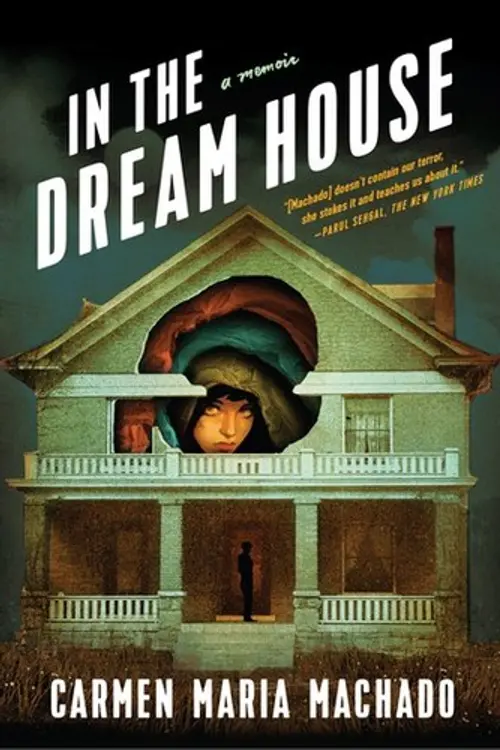
In the Dream House: A Memoir
Carmen Maria Machado

The bill from my father: a memoir
Bernard Cooper.

Fun Home: A Family Tragicomic
Alison Bechdel

How We Fight for Our Lives: A Memoir
Saeed Jones, Saaed Jones

Hunger: a memoir of (my) body
Roxane Gay
The noonday demon: an atlas of depression
Andrew Solomon
Reader Reviews
No reviews yet for this book.
Be the first to share your thoughts!