
The aftermath
living with the Holocaust
Our rough guess is there are 53,250 words in this book.
At a pace averaging 250 words per minute, this book will take 3 hours and 33 minutes to read. With a half hour per day, this will take 7 days to read.
How long will it take you?
This book will take an estimated to read at a reading speed averaging words per minute. With 30 minutes per day, this will take to read.
Enter your reading speedYou can take one of our WPM reading speed tests to find your reading speed.
Create a free account to track your reading progress, build your reading list, and set reading goals.
We earn a commission on purchases
Author
Publication
1995 - Cambridge University Press, Cambridge, England
Language
English
Word Count
53,250 words, Guess
Page Count
213 pages
Identifiers
- Open LibraryOL1093982M
- ISBN-100521474299
- OCLC Control Number30508738
- OCLC Control Numberaftermathlivingw0000hass
- Library of Congress Control Number94018407
and 2 more
- LibraryThing834065
- Goodreads1770511
Classifications
- DDC940.53/18
- LCCD804.3 .H373 1995
Description
The events of the Holocaust have been well documented. Almost ninety percent of European Jewry was murdered. But for the survivors, the psychological impact of the Holocaust has stretched beyond 1945. An innocence has been eradicated. A view of their fellow man has been indelibly imprinted: "What did the world learn from the Holocaust?" a survivor was asked. "What the world learned from the Holocaust is that you can kill six million Jews and no one will care.". The Aftermath offers a perspective of how one who has lived with terror for years is able to avoid paralysis and move forward. It is a book about how people live with gnawing doubts and uncertainty concerning their past actions and inactions, doubts and uncertainties which can cause them to feel ambivalent about their very existence. It is a tale of the anguish they feel because they possess firsthand knowledge of the evil in people, which so unjustly struck and deprived them of what was rightly theirs. For while Holocaust survivors seem, in most ways, to be like you and me, they are also aware of a subterranean world which may afflict them without warning. It is far easier to extinguish human beings than to extinguish their memories. . This is also a book about the incredible resilience of human beings. The survivors you will hear from provide observations of how, after being reduced to less than zero during the formative years of adolescence and young adulthood, men and women were able to revive a self-respect which had been under continuous siege. And because survivors of the Holocaust will soon be gone, this is a unique opportunity to observe a case study of the elasticity of the limits of endurance, and the human need and capacity to reassert a vigorous life. As the mortality of survivors overwhelms them as a group, it may be not only the first but also the final occasion we will have to hear them describe their inner lives.
First Sentence
For several decades after its conclusion, little was written about the Holocaust.
Subjects
Topics
Places
Other Editions
- The aftermath: living with the Holocaust
Similar Books
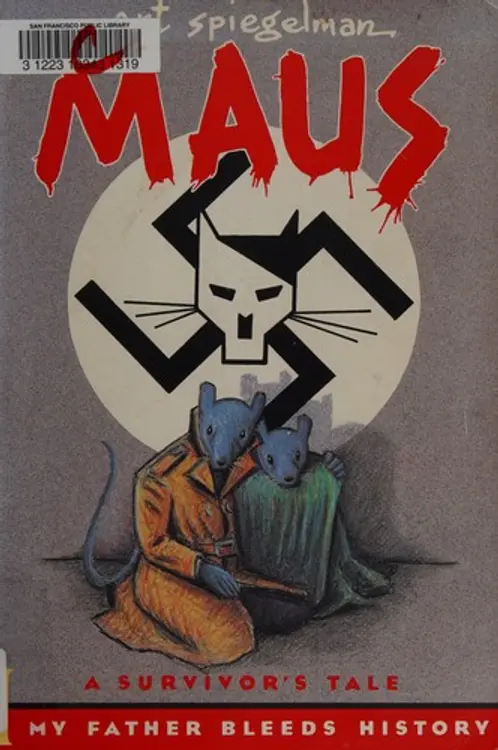
Maus I: a survivor's tale : my father bleeds history
Art Spiegelman.
The abandonment of the Jews: America and the Holocaust, 1941-1945
David S. Wyman.
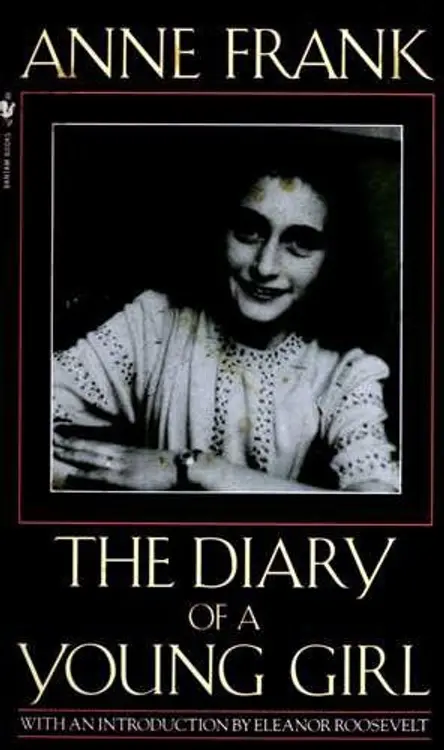
The Diary of a Young Girl
Anne Frank ; translated from the Dutch by B.M. Mooyaart-Doubleday ; with an introduction by Eleanor Roosevelt.
6h 8m read
The Complete Maus
Art Spiegelman

Ordinary men: Reserve Police Battalion 101 and the final solution in Poland
Christopher R. Browning

The Pianist: The Extraordinary Story of One Man's Survival in Warsaw, 1939-45
Władysław Szpilman, Anthea Bell, Wilm Hosenfeld

Sevek and the Holocaust: the boy who refused to die
Sidney Finkel.

Maus II And Here My Troubles Began
Art Spiegelman. 2, And here my troubles began.
Reader Reviews
No reviews yet for this book.
Be the first to share your thoughts!