
Silent travelers
germs, genes, and the "immigrant menace"
Our rough guess is there are 92,250 words in this book.
At a pace averaging 250 words per minute, this book will take 6 hours and 9 minutes to read. With a half hour per day, this will take 13 days to read.
How long will it take you?
This book will take an estimated to read at a reading speed averaging words per minute. With 30 minutes per day, this will take to read.
Enter your reading speedYou can take one of our WPM reading speed tests to find your reading speed.
Create a free account to track your reading progress, build your reading list, and set reading goals.
We earn a commission on purchases
Word Count
92,250 words, Guess
Page Count
369 pages
Identifiers
- Open LibraryOL1424045M
- ISBN-100465078230
- OCLC Control Number28888554
- OCLC Control Numbersilenttravelersg00krau_0
- Library of Congress Control Number93034572
and 1 more
- LibraryThing928225
Classifications
- DDC614.4/08/69
- LCCRA448.5.I44 K73 1994
Description
Epidemics and immigrants have suffered a lethal association in the public mind, from the Irish in New York wrongly blamed for the cholera epidemic of 1832 and Chinese in San Francisco vilified for causing the bubonic plague in 1900, to Haitians in Miami stigmatized as AIDS carriers in the 1980s. Silent Travelers vividly describes these and many other episodes of medicalized prejudice and analyzes their impact on public health policy and beyond. The book shows clearly how the equation of disease with outsiders and illness with genetic inferiority broadly affected not only immigration policy and health care but even the workplace and schools. The first synthesis of immigration history and the history of medicine, Silent Travelers is also a deeply human story, enriched by the voices of immigrants themselves. Irish, Italian, Jewish, Latino, Chinese, and Cambodian newcomers among others grapple in these pages with the mysteries of modern medicine and American prejudice. Anecdotes about famous and little-known figures in the annals of public health abound, from immigrant physicians such as Maurice Fishberg and Antonio Stella who struggled to mediate between the cherished Old World beliefs and practices of their patients and their own state-of-the-art medical science, to "Typhoid Mary" and the inspiring example of Mother Cabrini. Alan M. Kraut tells of the newcomers founding of hospitals to care for their own the "Halls of Great Peace" (actually little more than hovels where lepers could go to die) set up by Chinese immigrants; the establishment of St. Vincent's Hospital in New York as an institution sensitive to the needs of Catholic patients; and the creation of a tuberculosis sanitarium in Denver by Eastern European Jewish tradespeople who managed to scrape together $1.20 in contributions at their first meeting. Tapping into a rich array of sources - from turn-of-the-century government records to an advice book aimed at Italians financed by the DAR, from the photographs of Jacob Riis to the records of insurance companies and visiting nurse services, as well as poems, songs, stories, and letters of patients - this book evokes an intimate sense of the poignancy of the immigrant odyssey. Amid growing concern over using AIDS to exclude immigrants and ongoing debates about multi-culturalism, this look at how earlier generations struggled with such problems is especially valuable.
Subjects
Topics
Places
Other Editions
- Silent travelers: germs, genes, and the "immigrant menace"
Similar Books

America for Americans: A History of Xenophobia in the United States
Shayna Small, Erika Lee

Ethnic Americans: a history of immigration
Leonard Dinnerstein and David M. Reimers.

The uprooted
Oscar Handlin.
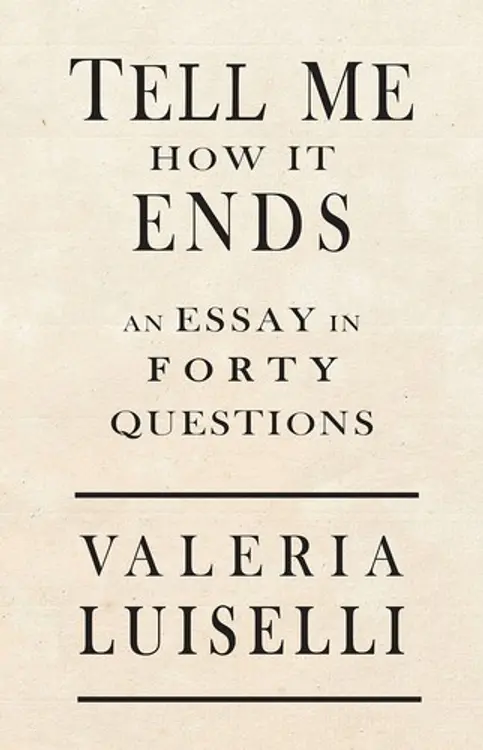
Tell Me How It Ends: An Essay in Forty Questions
Valeria Luiselli
A nation of immigrants
John F. Kennedy.
Reader Reviews
No reviews yet for this book.
Be the first to share your thoughts!