
Virginia Woolf's Greek Tragedy
Our rough guess is there are 42,000 words in this book.
At a pace averaging 250 words per minute, this book will take 2 hours and 48 minutes to read. With a half hour per day, this will take 6 days to read.
How long will it take you?
This book will take an estimated to read at a reading speed averaging words per minute. With 30 minutes per day, this will take to read.
Enter your reading speedYou can take one of our WPM reading speed tests to find your reading speed.
Create a free account to track your reading progress, build your reading list, and set reading goals.
Word Count
42,000 words, Guess
Page Count
168 pages
Physical Format
Hardcover
Identifiers
- Open LibraryOL27358838M
- ISBN-139781474277822
- ISBN-101474277829
- OCLC Control Number1035798037
- OCLC Control Number1066741274
and 2 more
- Library of Congress Control Number2018022501
- Amazon1474277829
Classifications
- LCCPR6045.O72Z944 2018
- LCCPR6045.O72 Z944 2019
Description
"In Woolf's writings Greece and Greek tragedy in particular shape an exoticized aesthetic space that both emerges from and enables critique of the cosy settings and colonialist conceits of elite (and largely male) British attitudes toward culture and politics. Rather than highlighting Woolf's exclusion from male intellectual purviews, as so many scholars have emphasized, this book urges attention on how her engagements with Greek tragedy both collude with and challenge modernist aesthetics and contemporary politics. Woolf's encounters with and uses of Greek tragedy fantasize an alternative perceptual capacity that correlates to feminine (and feminist) modes, which are depicted in her writings as alternately defiant and choral. In this scheme, Greek tragedy is something of a dreamland, the mysterious dynamics of which Woolf treats as transcending cultural attitudes that hinge upon imperialist adventuring and violence. As scholars have recognized, especially in recent decades, the exoticizing gestures central to the work of so many modernists have uncomfortable political underpinnings, since they frequently inhabit imperialist and colonialist perspectives while appearing to critique them. Unlike most scholars, Nancy Worman argues that Woolf is no exception, although the feminism and humour that inflects so many "Greek" elements in her work saves it from the worst offenses."--Bloomsbury Publishing In Woolf's writings Greece and Greek tragedy in particular shape an exoticized aesthetic space that both emerges from and enables critique of the cosy settings and colonialist conceits of elite (and largely male) British attitudes toward culture and politics. Rather than highlighting Woolf's exclusion from male intellectual purviews, as so many scholars have emphasized, this book urges attention on how her engagements with Greek tragedy both collude with and challenge modernist aesthetics and contemporary politics. Woolf's encounters with and uses of Greek tragedy fantasize an alternative perceptual capacity that correlates to feminine (and feminist) modes, which are depicted in her writings as alternately defiant and choral. In this scheme, Greek tragedy is something of a dreamland, the mysterious dynamics of which Woolf treats as transcending cultural attitudes that hinge upon imperialist adventuring and violence. As scholars have recognized, especially in recent decades, the exoticizing gestures central to the work of so many modernists have uncomfortable political underpinnings, since they frequently inhabit imperialist and colonialist perspectives while appearing to critique them. Unlike most scholars, Nancy Worman argues that Woolf is no exception, although the feminism and humour that inflects so many "Greek" elements in her work saves it from the worst offenses
Subjects
Other Editions
- Virginia Woolf's Greek Tragedy
Similar Books

Sophocles.: Text of the seven plays
edited by Lewis Campbell.

Euripides
translated into English rhyming verse with explanatory notes by Gilbert Murray.
The Bacchae of Euripides: a new version
by C.K. Williams with an introduction by Martha Nussbaum.

Aeschylus: the earlier plays and related studies
D.J. Conacher.
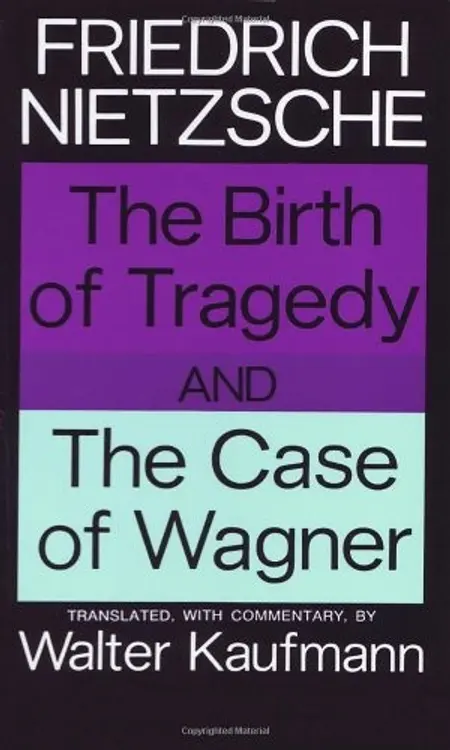
The Birth of Tragedy: and The Case of Wagner
by Friedrich Nietzsche ; translated, with commentary, by Walter Kaufmann.

Heracles
Euripedes ; with translation and commentary by Shirley A. Barlow

The poetics of Greek tragedy
Malcolm Heath.
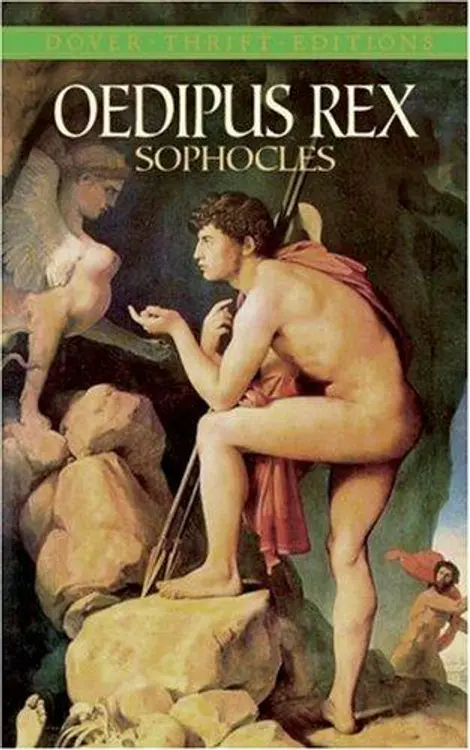
Oedipus Rex
Sophocles.
59m readReader Reviews
No reviews yet for this book.
Be the first to share your thoughts!