
The politics of being
the political thought of Martin Heidegger
Our rough guess is there are 55,250 words in this book.
At a pace averaging 250 words per minute, this book will take 3 hours and 41 minutes to read. With a half hour per day, this will take 8 days to read.
How long will it take you?
This book will take an estimated to read at a reading speed averaging words per minute. With 30 minutes per day, this will take to read.
Enter your reading speedYou can take one of our WPM reading speed tests to find your reading speed.
Create a free account to track your reading progress, build your reading list, and set reading goals.
We earn a commission on purchases
Author
Publication
1990 - Columbia University Press, New York, New York (State)
Language
English
Word Count
55,250 words, Guess
Page Count
221 pages
Identifiers
- Open LibraryOL1876962M
- ISBN-100231073143
- OCLC Control Number21558459
- OCLC Control Numberpoliticsbeingpol00woli
- Library of Congress Control Number90037144
and 2 more
- Goodreads329745
- LibraryThing9817
Classifications
- DDC193
- LCCB3279.H49 W64 1990
Description
For over fifty years the philosophical achievements of Martin Heidegger have been haunted by a devilʼs bargain struck between the philosopher and the National Socialist movement in the early 1930s-an alliance that Heidegger himself never explicitly renounced. The Politics of Being: the Political Thought of Martin Heidegger by Richard Wolin reconstructs the delicate interrelationship between philosophy and politics and the way in which Heideggerʼs failure as a political actor influenced the recasting of his philosophy in the 1930s and 1940s. Beginning with Heideggerʼs Being and Time, Wolin argues that the philosopherʼs decision for national Socialism cannot be understood apart form the most fundamental conditions of his philosophy. Thus, Heideggerʼs involvement with National Socialism was rooted in the innermost tendencies of his thought. And although Wolin denies that Heideggerʼs Nazism was a necessary outgrowth of Being and Time, he does suggest that the politics of the Nazi movement satisfied ideal of authentic historical commitment outlined in Heideggerʼs 1927 work. Wolin then explains how Heideggerʼs failure in politics influenced the content and direction of his later philosophy. The author asserts that the major themes of Heideggerʼs later work-the quasi-apocalyptical indictments of humanism, technology and European nihilism-must be understood, to a degree, as an exercise in self-criticism. In The Politics of Being, Wolin cautions those who wish to seize on Heideggerʼs unsavory political allegiances as a pretext for disqualifying his philosophy as a whole. At the same time, he demonstrates convincingly that insofar as Heideggerʼs political choices are rooted in his philosophy, this fact cannot help but discredit some of the most essential features of Heideggerʼs philosophical project. Book Jacket. Includes information on antihumanism, conservative revolutionary thought, the destining of Being, Question of Being, historicity, Adolf Hitler, Holocaust, Ernst Junger, metaphysics, Friedrich Nietzsche, Plato and Platonism, Otto Poggeler, etc.
First Sentence
In the passionate debate that has raged over the course of the last several years concerning the National Socialist convictions of the German philosopher Martin Heidegger, many facts of great significance have come to light.
Subjects
Topics
People
Times
Other Editions
- The politics of being: the political thought of Martin Heidegger
Similar Books

Being and Time
Martin Heidegger

Heidegger's Being and Time: Critical Essays (Critical Essays on the Classics)
Richard Polt

Iconoclasm in Aesthetics
Michael Kelly

Heidegger's Analytic: Interpretation, Discourse and Authenticity in Being and Time (Modern European Philosophy)
Taylor Carman

Heidegger, Aristotle and the Work of Art
Mark Sinclair
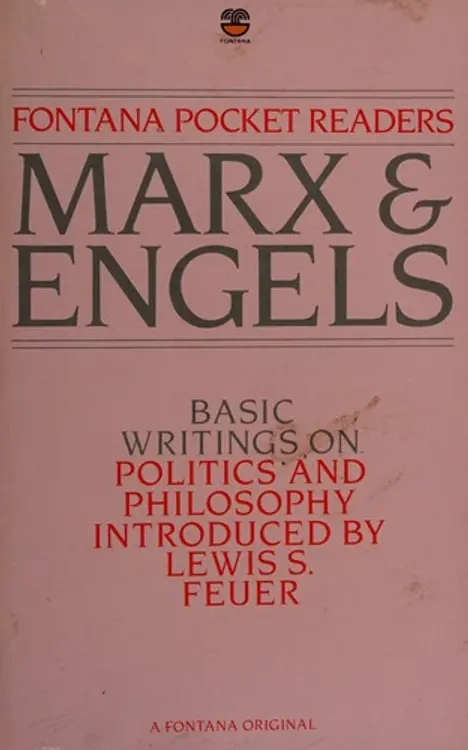
Basic writings on politics and philosophy
Karl Marx & Friedrich Engels ; edited with an introduction by Lewis S. Feuer.

Twentieth-century religious thought: the frontiers of philosophy and theology, 1900-1970.
John Macquarrie, John Macquarrie
Reader Reviews
No reviews yet for this book.
Be the first to share your thoughts!