
Epidemics and Enslavement
Biological Catastrophe in the Native Southeast, 1492-1715 (Indians of the Southeast)
Our rough guess is there are 78,500 words in this book.
At a pace averaging 250 words per minute, this book will take 5 hours and 14 minutes to read. With a half hour per day, this will take 11 days to read.
How long will it take you?
This book will take an estimated to read at a reading speed averaging words per minute. With 30 minutes per day, this will take to read.
Enter your reading speedYou can take one of our WPM reading speed tests to find your reading speed.
Create a free account to track your reading progress, build your reading list, and set reading goals.
Word Count
78,500 words, Guess
Page Count
314 pages
Physical Format
Hardcover
Identifiers
- ISBN-100803227566
- ISBN-139780803227569
- LibraryThing4121147
- Library of Congress Control Number2007014353
- OCLC Control Number123119755
and 2 more
- Better World Books9780803227569
- Open LibraryOL11211980M
Classifications
- LCCE78.S65K45 2007
- LCCE78.S65 K45 2007
Description
Publisher description: Epidemics and Enslavement is a groundbreaking examination of the relationship between the Indian slave trade and the spread of Old World diseases in the colonial southeastern United States. Paul Kelton scrupulously traces the pathology of early European encounters with Native peoples of the Southeast and concludes that, while indigenous peoples suffered from an array of ailments before contact, Natives had their most significant experience with new germs long after initial contacts in the sixteenth century. In fact, Kelton places the first region-wide epidemic of smallpox in the 1690s and attributes its spread to the Indian slave trade. From 1696 to 1700, Native communities from the Atlantic Coast to the Mississippi Valley suffered catastrophic death tolls because of smallpox. The other diseases that then followed in smallpox's wake devastated the indigenous societies. Kelton found, however, that such biological catastrophes did not occur simply because the region's Natives lacked immunity. Over the last half of the seventeenth century, the colonies of Virginia and South Carolina had integrated the Southeast into a larger Atlantic world that carried an unprecedented volume of people, goods, and ultimately germs into indigenous villages. Kelton shows that English commerce in Native slaves in particular facilitated the spread of smallpox and made indigenous peoples especially susceptible to infection and mortality as intense violence forced malnourished refugees to huddle in germ-ridden, compact settlements. By 1715 the Native population had plummeted, causing a collapse in the very trade that had facilitated such massive depopulation.
Subjects
Topics
Places
Other Editions
- Epidemics and Enslavement: Biological Catastrophe in the Native Southeast, 1492-1715 (Indians of the Southeast)
Similar Books

The Inconvenient Indian: A Curious Account of Native People in North America
Thomas King
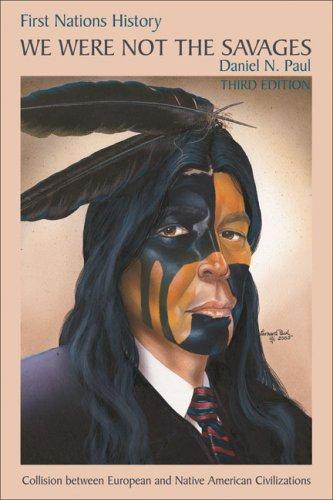
We Were Not the Savages: First Nations History - Collision Between European and Native American Civilizations (First Nations History)
Daniel N. Paul

Beyond geography: the western spirit against the wilderness
Frederick Turner.

American holocaust: the conquest of the New World
David E. Stannard.

The Cherokee Nation and the Trail of Tears
Theda Perdue and Michael D. Green

Bury My Heart at Wounded Knee: An Indian History of the American West
Dee Alexander Brown
Reader Reviews
No reviews yet for this book.
Be the first to share your thoughts!