
Six weeks in the Sioux tepees
a narrative of Indian captivity
Our rough guess is there are 43,250 words in this book.
At a pace averaging 250 words per minute, this book will take 2 hours and 53 minutes to read. With a half hour per day, this will take 6 days to read.
How long will it take you?
This book will take an estimated to read at a reading speed averaging words per minute. With 30 minutes per day, this will take to read.
Enter your reading speedYou can take one of our WPM reading speed tests to find your reading speed.
Create a free account to track your reading progress, build your reading list, and set reading goals.
Author
Contributions
- Namias, June. - Contributor
Publication
1997 - University of Oklahoma Press, Norman, Oklahoma
Language
English
Word Count
43,250 words, Guess
Page Count
173 pages
Identifiers
- Internet Archivesixweeksinsiouxt00wake
- ISBN-100806129751
- ISBN-139780806129754
- LibraryThing945141
- Library of Congress Control Number97002380
Classifications
- DDC977.6/0049752
- LCCE83.86 .W35 1997
- LCCE83.86.W35 1997
Alternate Titles
- 6 weeks in the Sioux tepees
Description
"The Dakota War (1862) was a searing event in Minnesota history as well as a signal event in the lives of Dakota people. Sarah F. Wakefield was caught up in this revolt. A young doctor's wife and the mother of two small children, Wakefield published her unusual account of the war and her captivity shortly after the hanging of thirty-eight Dakotas accused of participation in the "Sioux uprising." Among those hanged was Chaska (We-Chank-Wash-ta-don-pee), a Mdewakanton Dakota who had protected her and her children during the upheaval. In a distinctive and compelling voice, Wakefield blames the government for the war and then relates her and her family's ordeal, as well as Chaska's and his family's help and ultimate sacrifice.". "This is the first fully annotated modern edition of Six Weeks in the Sioux Tepees. June Namias's extensive introduction and notes describe the historical and ethnographic background of Dakota-white relations in Minnesota and place Wakefield's narrative in the context of other captivity narratives. Namias then explores Wakefield's unusual choices and moral stance in the midst of racial hatred, and their implications in today's world."--BOOK JACKET.
First Sentence
IN the late summer of 1862, during the second year of the Civil War, Mdewakanton and Wahpekute Dakotas attacked the Lower Sioux Agency southwest of St. Paul, Minnesota.
Subjects
Topics
Places
People
Other Editions
- Six weeks in the Sioux tepees: a narrative of Indian captivity
Show 4 more editions
Similar Books
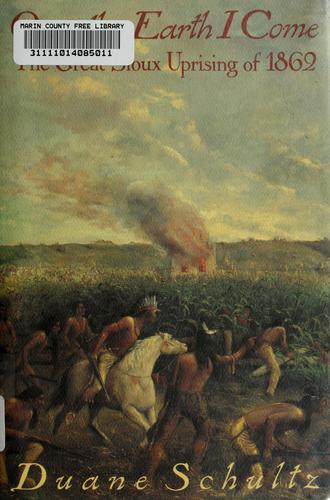
Over the earth I come: the great Sioux uprising of 1862
Duane Schultz.
Narrative of My Captivity among the Sioux Indians
Fanny Wiggins Kelly

Black Elk Speaks: The Complete Edition
Black Elk, John G. Neihardt
Indian boyhood.
With illus. by E. L. Blumenschein.
Black Elk speaks: being the life story of a holy man of the Ogalala Sioux
as told to John G. Neihardt (Flaming Rainbow) illustrated by Standing Bear

Empire of the summer moon: Quanah Parker and the rise and fall of the Comanches, the most powerful Indian tribe in American history
S.C. Gwynne.

Killers of the Flower Moon: the Osage murders and the birth of the FBI
David Grann.

Bury My Heart at Wounded Knee: An Indian History of the American West
Dee Alexander Brown
Reader Reviews
No reviews yet for this book.
Be the first to share your thoughts!