
The Nazi Conscience
Our rough guess is there are 92,000 words in this book.
At a pace averaging 250 words per minute, this book will take 6 hours and 8 minutes to read. With a half hour per day, this will take 12 days to read.
How long will it take you?
This book will take an estimated to read at a reading speed averaging words per minute. With 30 minutes per day, this will take to read.
Enter your reading speedYou can take one of our WPM reading speed tests to find your reading speed.
Create a free account to track your reading progress, build your reading list, and set reading goals.
Word Count
92,000 words, Guess
Page Count
368 pages
Physical Format
Hardcover
Identifiers
- Open LibraryOL7670975M
- ISBN-139780674011724
- ISBN-100674011724
- OCLC Control Number52216250
- OCLC Control Numbernaziconscience00koon
and 3 more
- Library of Congress Control Number2003051964
- LibraryThing13903
- Goodreads1127069
Classifications
- LCCDD256.5 .K6185 2003
Description
The Nazi conscience is not an oxymoron. In fact, the perpetrators of genocide had a powerful sense of right and wrong, based on civic values that exalted the moral righteousness of the ethnic community and denounced outsiders. Claudia Koonz's latest work reveals how racial popularizers developed the infrastructure and rationale for genocide during the so-called normal years before World War II. Her careful reading of the voluminous Nazi writings on race traces the transformation of longtime Nazis' vulgar antisemitism into a racial ideology that seemed credible to the vast majority of ordinary Germans who never joined the Nazi Party. Challenging conventional assumptions about Hitler, Koonz locates the source of his charisma not in his summons to hate but in his appeal to the collective virtue of his people, the Volk. - Jacket flap.
Description
"The Nazi conscience is not an oxymoron. In fact, the perpetrators of genocide had a powerful sense of right and wrong, based on civic values that exalted the moral righteousness of the ethnic community and denounced outsiders." "Claudia Koonz's latest work reveals how racial popularizers developed the infrastructure and rationale for genocide during the so-called normal years before World War II. Her careful reading of the voluminous Nazi writings on race traces the transformation of longtime Nazis' vulgar antisemitism into a racial ideology that seemed credible to the vast majority of ordinary Germans who never joined the Nazi Party. Challenging conventional assumptions about Hitler, Koonz locates the source of his charisma not in his summons to hate but in his appeal to the collective virtue of his people, the Volk."--Jacket.
Subjects
Topics
Other Editions
- The Nazi Conscience
Similar Books

People in Auschwitz
Hermann Langbein ; translated by Harry Zohn ; foreword by Henry Friedlander

The Pianist: The Extraordinary Story of One Man's Survival in Warsaw, 1939-45
Władysław Szpilman, Anthea Bell, Wilm Hosenfeld

An Interrupted Life: The Diaries, 1941-1943 ; and, Letters from Westerbork
Etty Hillesum ; translated from the Dutch by Arnold J. Pomerans ; foreword by Eva Hoffman ; introduction and notes by Jan G. Gaarlandt.
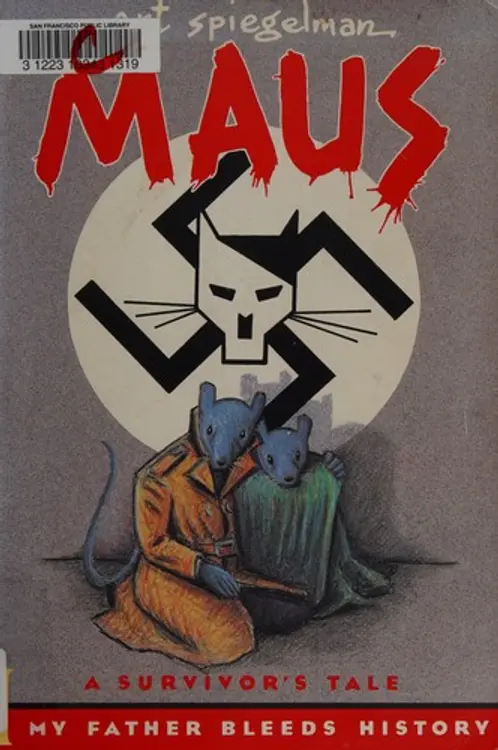
Maus I: a survivor's tale : my father bleeds history
Art Spiegelman.

Ordinary men: Reserve Police Battalion 101 and the final solution in Poland
Christopher R. Browning
The abandonment of the Jews: America and the Holocaust, 1941-1945
David S. Wyman.
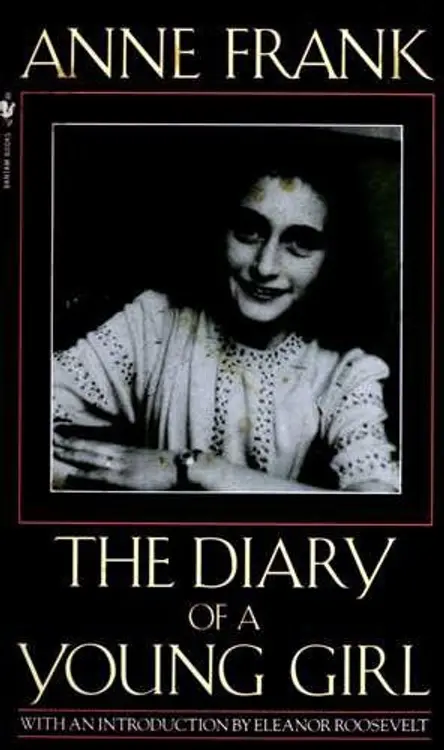
The Diary of a Young Girl
Anne Frank ; translated from the Dutch by B.M. Mooyaart-Doubleday ; with an introduction by Eleanor Roosevelt.
6h 8m readReader Reviews
No reviews yet for this book.
Be the first to share your thoughts!