
City Making
Building Communities without Building Walls
New Ed edition
Our rough guess is there are 66,500 words in this book.
At a pace averaging 250 words per minute, this book will take 4 hours and 26 minutes to read. With a half hour per day, this will take 9 days to read.
How long will it take you?
This book will take an estimated to read at a reading speed averaging words per minute. With 30 minutes per day, this will take to read.
Enter your reading speedYou can take one of our WPM reading speed tests to find your reading speed.
Create a free account to track your reading progress, build your reading list, and set reading goals.
Word Count
66,500 words, Guess
Page Count
266 pages
Physical Format
Paperback
Identifiers
- Open LibraryOL7756083M
- ISBN-139780691007427
- ISBN-10069100742X
- OCLC Control Number40682915
- OCLC Control Numbercitymakingbuildi0000frug
and 3 more
- Library of Congress Control Number99012209
- Goodreads1434668
- LibraryThing1051462
Classifications
- LCCHT167 .F78 1999
Description
"American metropolitan areas today are divided into neighborhoods of privilege and poverty, often along lines of ethnicity and race. As Gerald Frug shows, this divided and inhospitable urban landscape is not simply the result of individual choices about where to live or start a business. It is the product of government policies - and, in particular, the policies embedded in legal rules. Frug presents the first ever analysis of how legal rules shape modern cities and outlines a set of alternatives to bring down the walls that now keep city dwellers apart."--BOOK JACKET. "He describes how American law treats cities as subdivisions of states and shows how this arrangement has encouraged the separation of metropolitan residents into different, sometimes hostile groups. He explains the divisive impact of rules about zoning, redevelopment, land use, and the organization of such city services as education and policing. He pays special attention to the underlying role of anxiety about strangers, the widespread desire for good schools, and the pervasive fear of crime. Ultimately, Frug calls for replacing the current legal definition of cities with an alternative based on what he calls "community building" - an alternative that gives cities within the same metropolitan region incentives to forge closer links with each other."--BOOK JACKET.
First Sentence
American cities do not have the power to solve their current problems or to control their future development.
Excerpt
American cities do not have the power to solve their current problems or to control their future development.
Subjects
Topics
Other Editions
- City Making
Similar Books

Cost-benefit analysis in urban & regional planning
J. Schofield.

Creating neighbourhoods and places in the built environment
edited by David Chapman.

The Death and Life of Great American Cities
Jane Jacobs.

Urban design: street and square
Cliff Moughtin
Urban Remote Sensing
Qihao Weng, Dale A. Quattrochi

City Logistics
Eiichi Taniguchi
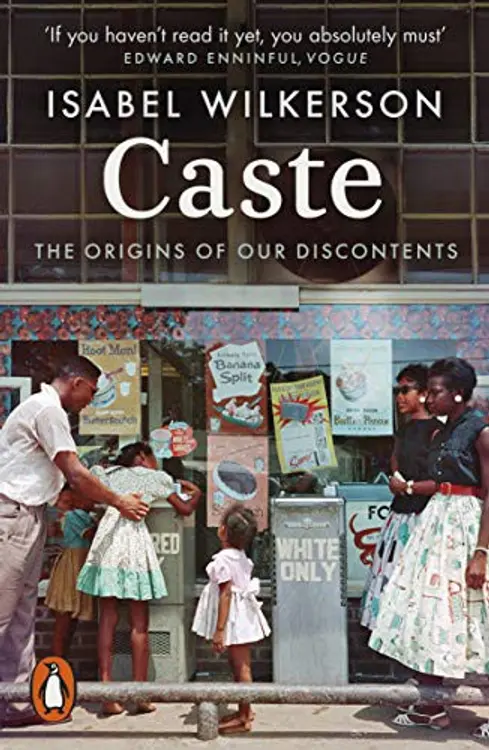
Caste: The International Bestseller
Antonio Francisco Rodríguez Esteban, Isabel Wilkerson

Cities and Society (Blackwell Readers in Sociology)
Nancy Kleniewski
Reader Reviews
No reviews yet for this book.
Be the first to share your thoughts!