
Murder in our midst
the Holocaust, industrial killing, and representation
Our rough guess is there are 62,750 words in this book.
At a pace averaging 250 words per minute, this book will take 4 hours and 11 minutes to read. With a half hour per day, this will take 9 days to read.
How long will it take you?
This book will take an estimated to read at a reading speed averaging words per minute. With 30 minutes per day, this will take to read.
Enter your reading speedYou can take one of our WPM reading speed tests to find your reading speed.
Create a free account to track your reading progress, build your reading list, and set reading goals.
We earn a commission on purchases
Author
Publication
1996 - Oxford University Press, New York, New York (State)
Language
English
Word Count
62,750 words, Guess
Page Count
251 pages
Identifiers
- Open LibraryOL1279604M
- ISBN-100195098471
- OCLC Control Number32202440
- OCLC Control Numbermurderourmidstho00bart
- Library of Congress Control Number95011406
and 2 more
- Goodreads1912698
- LibraryThing173942
Classifications
- DDC940.53/18/072
- LCCD804.3 .B363 1996
Description
Murder in Our Midst: The Holocaust, Industrial Killing, and Representation examines the emergence, implementation, and representation of industrial killing, an inherent and crucial component of modernity whose most extreme manifestation was the Holocaust. The mechanized, impersonal, and sustained mass destruction of human beings, organized and legitimized by states, scientists, jurists, and intellectuals, is rooted in the industrial slaughterhouse of the Great War. In Murder in Our Midst, Omer Bartov argues that the Nazi death factories are best understood in the context of modern warfare, beginning with the First World War. He shows how the way we understand ourselves reflects the ambivalent effects of the Holocaust on our perceptions of war and violence, history and memory, progress and barbarism. Analyzing a wide array of historical texts, works of fiction, films, and museums, Bartov leads the reader from ancient myths of heroism to the trenches of the Western Front, from Thomas Mann's romantic vision of war to Primo Levi's stark depictions of genocide, from colonial war museums to the visual art of the Holocaust. These representations of killing share some of the same important features. They attempt to form coherent images from horrific events, to draw didactic lessons from them, and to use them for political ends.
Subjects
Topics
Similar Books

Ordinary men: Reserve Police Battalion 101 and the final solution in Poland
Christopher R. Browning
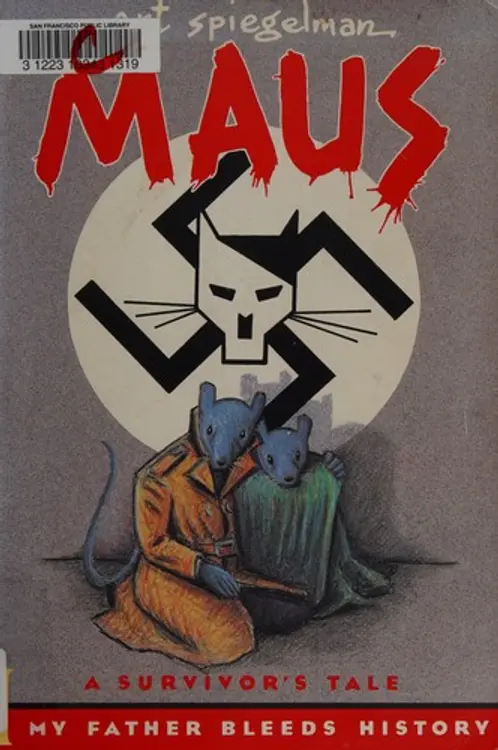
Maus I: a survivor's tale : my father bleeds history
Art Spiegelman.
The abandonment of the Jews: America and the Holocaust, 1941-1945
David S. Wyman.

The Complete Maus
Art Spiegelman
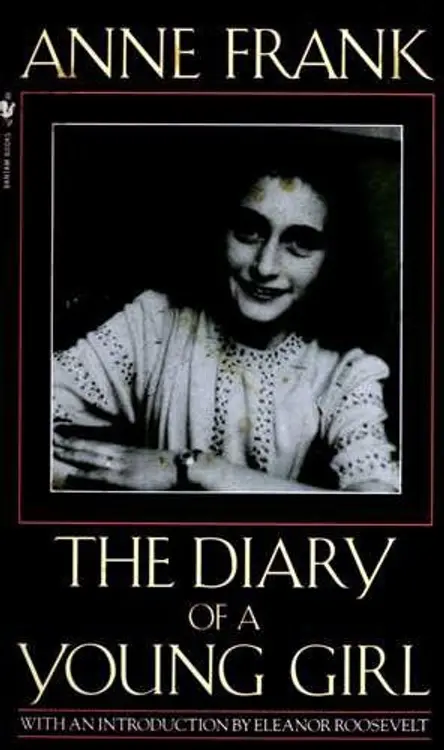
The Diary of a Young Girl
Anne Frank ; translated from the Dutch by B.M. Mooyaart-Doubleday ; with an introduction by Eleanor Roosevelt.
6h 8m read
Eichmann in Jerusalem: a report on the banality of evil
Hannah Arendt ; introduction by Amos Elon.
Reader Reviews
No reviews yet for this book.
Be the first to share your thoughts!