
Surviving Greek tragedy
Our rough guess is there are 71,500 words in this book.
At a pace averaging 250 words per minute, this book will take 4 hours and 46 minutes to read. With a half hour per day, this will take 10 days to read.
How long will it take you?
This book will take an estimated to read at a reading speed averaging words per minute. With 30 minutes per day, this will take to read.
Enter your reading speedYou can take one of our WPM reading speed tests to find your reading speed.
Create a free account to track your reading progress, build your reading list, and set reading goals.
We earn a commission on purchases
Word Count
71,500 words, Guess
Page Count
286 pages
Identifiers
- Open LibraryOL3354347M
- ISBN-100715631233
- OCLC Control Number48570544
- OCLC Control Number1138528049
- Library of Congress Control Number2004381873
and 2 more
- LibraryThing2842792
- Goodreads2315266
Classifications
- DDC882/.0109
- LCCPA3131 .G38 2004
Description
"Surviving Greek Tragedy is a history of the physical survival to the present day of the thirty-two extant tragedies of Aeschylus, Sophocles and Euripides. Beginning with the first revival of the plays in the fourth century BC, it charts the course of their transmission down the centuries as they passed through the hands of actors, readers, scholars, schoolteachers, monks, publishers, translators and theatre directors. Over the course of this 2,400-year period, the plays were at different times performed, copied, quoted, emended, excerpted, analysed, taught, translated, censored, adapted, or merely left to moulder in a library, as each successive culture charged with their safe-keeping saw fit. In the last thirty years Greek tragedy has become the medium through which most people encounter the classical heritage, and in the book Garland gives extensive coverage to modern stagings of the plays all over the world, taking this fascinating story right up to the present. Fully illustrated with images from all the periods under discussion--from Greek vase paintings to Deborah Warner's production of Medea at the Queen's Theatre, London."--Bloomsbury Publishing Surviving Greek Tragedy is a history of the physical survival to the present day of the thirty-two extant tragedies of Aeschylus, Sophocles and Euripides. Beginning with the first revival of the plays in the fourth century BC, it charts the course of their transmission down the centuries as they passed through the hands of actors, readers, scholars, schoolteachers, monks, publishers, translators and theatre directors. Over the course of this 2,400-year period, the plays were at different times performed, copied, quoted, emended, excerpted, analysed, taught, translated, censored, adapted, or merely left to moulder in a library, as each successive culture charged with their safe-keeping saw fit. In the last thirty years Greek tragedy has become the medium through which most people encounter the classical heritage, and in the book Garland gives extensive coverage to modern stagings of the plays all over the world, taking this fascinating story right up to the present. Fully illustrated with images from all the periods under discussion--from Greek vase paintings to Deborah Warner's production of Medea at the Queen's Theatre, London
Subjects
Topics
Places
Similar Books
The Bacchae of Euripides: a new version
by C.K. Williams with an introduction by Martha Nussbaum.
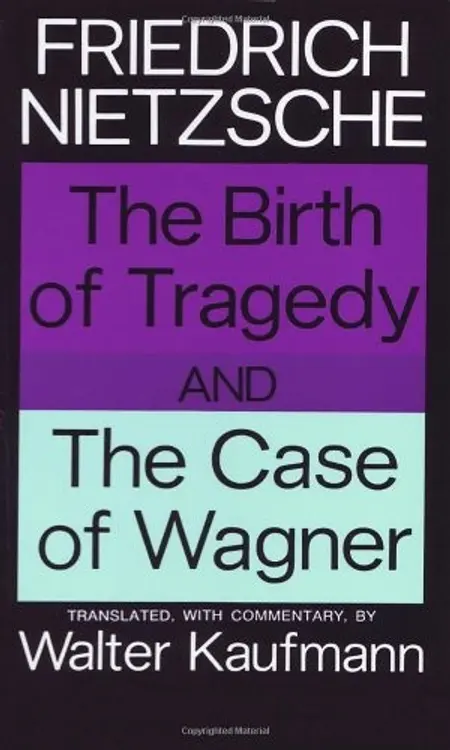
The Birth of Tragedy: and The Case of Wagner
by Friedrich Nietzsche ; translated, with commentary, by Walter Kaufmann.

The argument of the action: essays on Greek poetry and philosophy
Seth Benardete ; edited and with an introduction by Ronna Burger and Michael Davis.

The poetics of Greek tragedy
Malcolm Heath.

Sophocles.: Text of the seven plays
edited by Lewis Campbell.

Euripides
translated into English rhyming verse with explanatory notes by Gilbert Murray.
Reader Reviews
No reviews yet for this book.
Be the first to share your thoughts!