
What Lincoln believed
the values and convictions of America's greatest president
1st ed.
Our rough guess is there are 89,500 words in this book.
At a pace averaging 250 words per minute, this book will take 5 hours and 58 minutes to read. With a half hour per day, this will take 12 days to read.
How long will it take you?
This book will take an estimated to read at a reading speed averaging words per minute. With 30 minutes per day, this will take to read.
Enter your reading speedYou can take one of our WPM reading speed tests to find your reading speed.
Create a free account to track your reading progress, build your reading list, and set reading goals.
We earn a commission on purchases
Word Count
89,500 words, Guess
Page Count
358 pages
Identifiers
- Open LibraryOL3301916M
- ISBN-100385507399
- OCLC Control Number54046315
- OCLC Control Numberwhatlincolnbelie00lind
- Library of Congress Control Number2004041333
and 2 more
- Goodreads1180578
- LibraryThing1725177
Classifications
- DDC973.7/092
- LCCE457.2 .L844 2005
Description
This intellectual biography uncovers the heart of Lincoln's public philosophy and places his ideals and presidential decisions within the context of his times. Lind dispels the popular image of Lincoln as a self-made man and a naive, inspired genius, and shows that the president was very much a product of his time and place, influenced by the pragmatism of his fellow Kentuckian Henry Clay, and by Enlightenment thinking. Lind asserts that Lincoln fought the Civil War not to free the slaves, or even to preserve the Constitution, but to ensure the survival of democracy. With the failure of numerous liberal revolutions throughout Europe in 1848 heightening the possibility that democracy itself would be deemed a noble but failed experiment, Lincoln realized that the stakes in the Civil War were nothing less than the future freedom and prosperity of all mankind. It was this conviction that determined his policies and compelled him to wage the war to the bitter end. Lind also reveals that Lincoln was not a Christian, but a deist who believed in the abstract deity posited by Enlightenment philosophers; and that although he believed slavery was evil, he opposed the idea of a multiracial country and supported the relocation of black Americans abroad.
First Sentence
IN 1863 THE democratic republic as a form of government was rare-and in danger of extinction.
Excerpt
IN 1863 THE democratic republic as a form of government was rare-and in danger of extinction.
Subjects
Topics
Places
People
Times
Genres
- Biography.
Other Editions
- What Lincoln believed: the values and convictions of America's greatest president
Similar Books
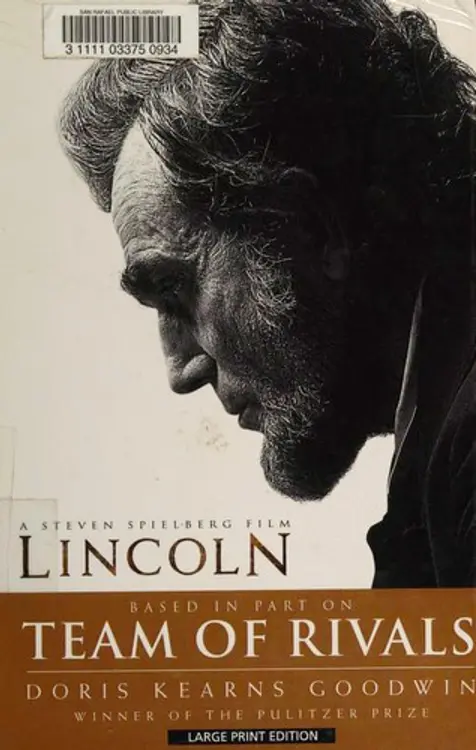
Team of Rivals
Doris Kearns Goodwin

Abraham Lincoln, Slavery, and the Civil War: Selected Writings and Speeches (The Bedford Series in History and Culture)
Abraham Lincoln
Keeping faith: memoirs of a president
Jimmy Carter.
Abraham Lincoln: complete works, comprising his speeches, letters, state papers, and miscellaneous writings
Abraham Lincoln

Personal memoirs of U.S. Grant
introduction to the Bison books edition by Brooks D. Simpson.

Thomas Jefferson: author of America
Christopher Hitchens
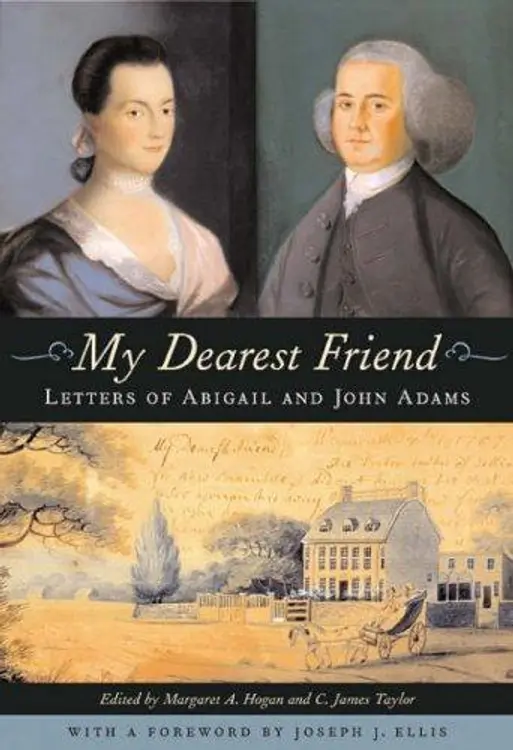
My Dearest Friend: Letters of Abigail and John Adams
Abigail Adams
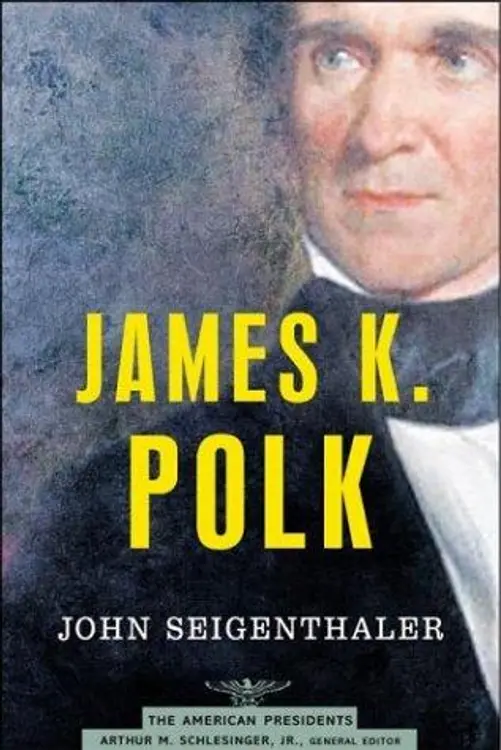
James K. Polk: 1845 - 1849: The American Presidents Series
Schlesinger, Arthur Meier, John Seigenthaler
Reader Reviews
No reviews yet for this book.
Be the first to share your thoughts!