
Pierre, or, The ambiguities
Our rough guess is there are 96,000 words in this book.
At a pace averaging 250 words per minute, this book will take 6 hours and 24 minutes to read. With a half hour per day, this will take 13 days to read.
How long will it take you?
This book will take an estimated to read at a reading speed averaging words per minute. With 30 minutes per day, this will take to read.
Enter your reading speedYou can take one of our WPM reading speed tests to find your reading speed.
Create a free account to track your reading progress, build your reading list, and set reading goals.
We earn a commission on purchases
Publication
1996 - Penguin Books, New York, New York (State)
Language
English
Alternate Titles
- Pierre
- Ambiguities
Description
This Kraken Edition of Pierre, or The Ambiguities is a reconstruction of the text that Melville delivered to Harper & Brothers early in January 1852, just as some of the most devastating reviews of Moby-Dick were appearing. The Harper brothers apparently decided that Pierre was even more outrageous than Moby-Dick and tried to avoid publishing it by offering Melville less than half the royalties they had paid for his previous books. Accepting the humiliating contract, Melville took a self-destructive revenge. After Book XVI, he interpolated a new section on "Young America in Literature," in which he arbitrarily announced that his hero, Pierre, had been a juvenile author. Melville proceeded to add an intrusive "Pierre as author" sub-plot, disparaging American literary life and the world of publishing, which he left unassimilated into the book he had first completed. . Melville scholar Hershel Parker has long believed that the psychological stature of Moby-Dick would best be understood in the light of the original, shorter version of Pierre, in his opinion "surely the finest psychological novel anyone had yet written in English." Moby-Dick and the reconstructed Pierre are at last revealed as complexly interlinked companion studies of the moods of thought - the Typee and Omoo of depth psychology. Furthermore, all Melville lovers will be challenged by Maurice Sendak's extraordinary pictures, which constitute a brilliantly provocative interpretation of Melville's study of moral and mental ambiguities.
Description
"Ambiguities indeed! One long brain-muddling, soulbewildering ambiguity (to borrow Mr. Melville's style), like Melchisedeck without beginning or end - a labyrinth without a clue - an Irish bog without so much as a Jack o' th'-lantern to guide the wanderer's footsteps - the dream of a distempered stomach, disordered by a hasty supper on half-cooked pork chops.". So judged the New York Herald when Pierre was first published in 1852, with most contemporary reviewers joining in the general condemnation: "a dead failure," "this crazy rigmarole," and "a literary mare's nest." Latter-day critics have recognized in the story of Melville's idealistic young hero a corrosive satire of the sentimental-Gothic novel, and a revolutionary foray into modernist literary techniques. As William Spengemann writes in his introduction to this edition, "For anyone who, being aware of the culture of modernity, is curious about its origins, Pierre ranks with Coleridge's 'Rime of the Ancient Mariner,' Carlyle's Sartor Resartus, Hawthorne's Scarlet Letter, and the poems of Emily Dickinson as one of the privileged places where the dead past can be seen giving way inexorably to the living present."
Subjects
Topics
Series Statement
- Penguin classics
Other Editions
- Pierre, or, The ambiguities
Show 43 more editions
33 other editions not shown
Similar Books

Moby Dick
14h 13m read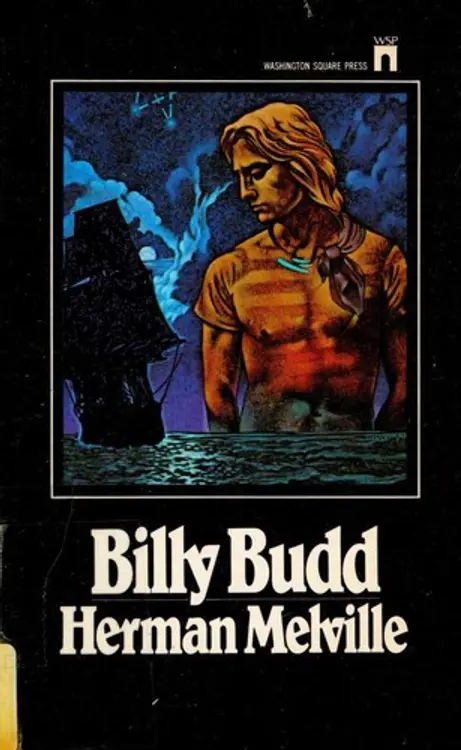
Billy Budd

The Blithedale romance
by Nathaniel Hawthorne ; with an introduction by Annette Kolodny.
5h 5m read
Omoo
Herman Melville.
Ship's company
illustrated by Will Owen.
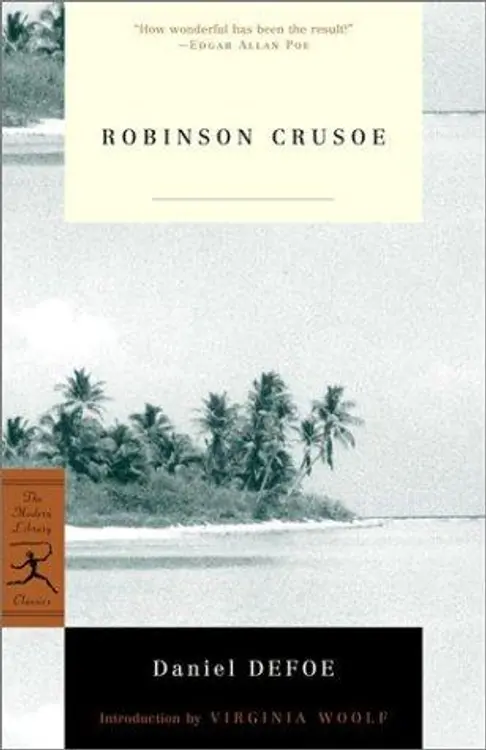
Robinson Crusoe
Daniel Defoe ; introduction by Virginia Woolf.

The sea-hawk
Rafael Sabatini ; [introduction by Bernard Cornwell].

Poor Jack
by Captain Marryat ; with illustrations by Clarkson Stanfield
Reader Reviews
No reviews yet for this book.
Be the first to share your thoughts!