
Constructing a collective memory of the Holocaust
a life history of two brothers' survival
Our rough guess is there are 37,250 words in this book.
At a pace averaging 250 words per minute, this book will take 2 hours and 29 minutes to read. With a half hour per day, this will take 5 days to read.
How long will it take you?
This book will take an estimated to read at a reading speed averaging words per minute. With 30 minutes per day, this will take to read.
Enter your reading speedYou can take one of our WPM reading speed tests to find your reading speed.
Create a free account to track your reading progress, build your reading list, and set reading goals.
We earn a commission on purchases
Author
Publication
1995 - University Press of Colorado, Niwot, Colo, Colorado
Language
English
Word Count
37,250 words, Guess
Page Count
149 pages
Identifiers
- Open LibraryOL1269064M
- ISBN-100870813684
- OCLC Control Number42328684
- OCLC Control Number32547279
- Library of Congress Control Number95000159
and 1 more
- Goodreads2947562
Classifications
- DDC940.53/18/0922438
- LCCDS135.P63 A125 1995
Description
Michael Berger, the author's father, was interned at an SS military camp at Moderowka, a concentration camp at Szebnie, and the Auschwitz camps at Birkenau and Buna-Monowitz. Shlomo Berger, the author's uncle, escaped the camps passing as a Christian with a Polish construction crew and as a member of the Polish Partisans and the Soviet Army. This compelling story is one of success through luck, daring, and skill in the face of tremendous adversity. Ronald Berger uses the life history method to bring the brothers' experiences to life and to explore a central problem of general social theory: the relationship between human agency and social structure. His approach offers a distinctly sociological alternative to a body of literature that has been dominated by psychological theorizing and that has often characterized Jews in overly negative or heroic terms. Berger addresses the influences of prewar conditions as a factor in wartime adjustment and offers some observations on memories of suffering and the implications for contemporary victimization politics and postmodern social thought. . This book will be an important supplement for college and university courses on Holocaust and genocide studies, Jewish studies, race and ethnic relations, historical sociology, and social problems.
Subjects
Topics
Places
Similar Books

Ordinary men: Reserve Police Battalion 101 and the final solution in Poland
Christopher R. Browning

Man's Search for Meaning
Viktor Emil Frankl
3h 32m read
The Pianist: The Extraordinary Story of One Man's Survival in Warsaw, 1939-45
Władysław Szpilman, Anthea Bell, Wilm Hosenfeld
The abandonment of the Jews: America and the Holocaust, 1941-1945
David S. Wyman.
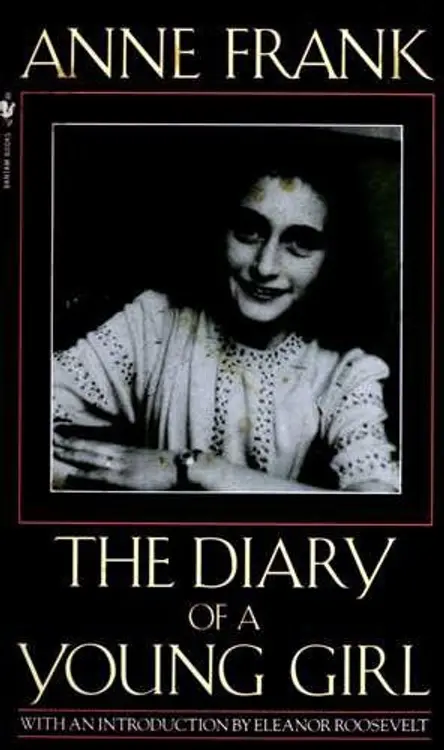
The Diary of a Young Girl
Anne Frank ; translated from the Dutch by B.M. Mooyaart-Doubleday ; with an introduction by Eleanor Roosevelt.
6h 8m read
An Interrupted Life: The Diaries, 1941-1943 ; and, Letters from Westerbork
Etty Hillesum ; translated from the Dutch by Arnold J. Pomerans ; foreword by Eva Hoffman ; introduction and notes by Jan G. Gaarlandt.
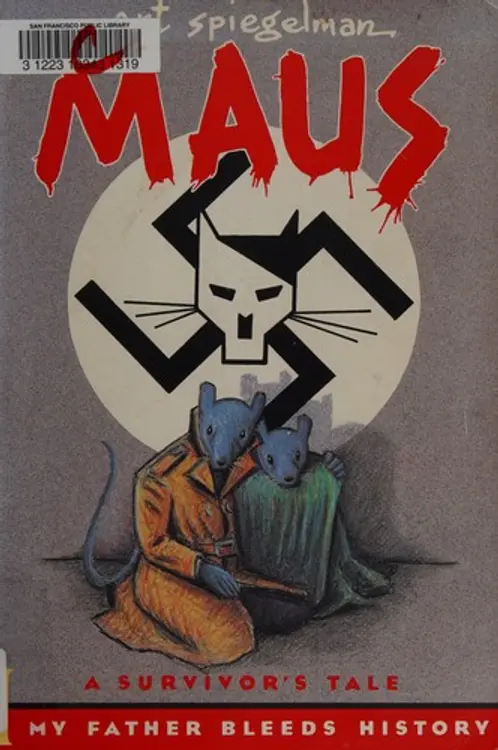
Maus I: a survivor's tale : my father bleeds history
Art Spiegelman.
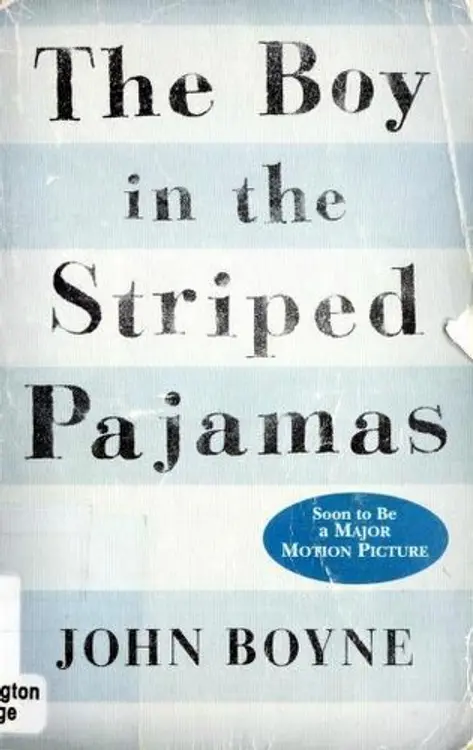
The Boy in the Striped Pajamas
John Boyne
Reader Reviews
No reviews yet for this book.
Be the first to share your thoughts!