
Morning Glory, Evening Shadow
Yamato Ichihashi and His Internment Writings, 1942-1945 (Asian America)
Our rough guess is there are 146,000 words in this book.
At a pace averaging 250 words per minute, this book will take 9 hours and 44 minutes to read. With a half hour per day, this will take 20 days to read.
How long will it take you?
This book will take an estimated to read at a reading speed averaging words per minute. With 30 minutes per day, this will take to read.
Enter your reading speedYou can take one of our WPM reading speed tests to find your reading speed.
Create a free account to track your reading progress, build your reading list, and set reading goals.
Word Count
146,000 words, Guess
Page Count
584 pages
Physical Format
Hardcover
Identifiers
- Open LibraryOL7928981M
- ISBN-139780804727334
- ISBN-100804727333
- OCLC Control Number44962056
- OCLC Control Number34412564
and 4 more
- OCLC Control Numbermorninggloryeven0000ichi
- Library of Congress Control Number96007339
- LibraryThing3764873
- Goodreads903941
Classifications
- LCCK487
Description
This book has a dual purpose. The first is to present a biography of Yamato Ichihashi, a Stanford University professor who was one of the first academics of Asian ancestry in the United States. The second is to present, through Ichihashi's wartime writings, the only known comprehensive first-person account of internment life by one of the 120,000 persons of Japanese ancestry who, in 1942, were sent by the U.S. government to "relocation centers," the euphemism for prison camps. In the comprehensive biographical essay that opens the book, Gordon Chang explores Ichihashi's personal life and intellectual work until his forced departure from Stanford, examining his career, publications, and experiences in American academia in the early twentieth century. He also relates Ichihashi's involvement in international conferences, including the 1922 Disarmament Conference - an involvement with later consequences. Ichihashi's internment writings take various forms: diaries, research essays, and correspondence with friends and Stanford colleagues. The editor has extensively annotated and interwoven them into a coherent narrative. As a trained social scientist and an experienced writer fluent in both English and Japanese, Ichihashi was uniquely prepared to observe and record the dramatic events he experienced. In addition to Ichihashi's writings, the book includes touching correspondence from Kei to a close friend at Stanford. The editor closes the book with an Epilogue about the Ichihashis' lives after the war. Ichihashi's writings convey to us, as no other account does, the cut and drift and anxiety of everyday existence in the camps. We experience the grinding tedium and frequently harsh conditions of daily life and the ever-present uncertainty, suspicion, and even fear that permeated the internees' existence. Equally knowledgeable about American and Japanese ways, Ichihashi offers valuable insights into administrators (ironically, one camp director had been his student at Stanford) as well as internees - both issei (immigrants) and nisei (American-born). His documentation of meetings and discussions with other internees introduces us to a rich gallery of personalities and viewpoints, helping us to see beyond what otherwise would seem an undifferentiated and impersonal mass of people.
First Sentence
Soon after he returned to his home on the Stanford campus in April 1945, after having been forced to spend three years in federal relocation centers, Yamato Ichihashi informed an old friend who, like himself, was a specialist in international relations, that he hoped "to write a history of the evacuation of Japanese from the West Coast states."
Subjects
Topics
Other Editions
- Morning Glory, Evening Shadow: Yamato Ichihashi and His Internment Writings, 1942-1945 (Asian America)
Similar Books
Farewell to Manzanar
Jeanne Wakatsuki Houston, James D. Houston

When the Emperor Was Divine
Julie Otsuka
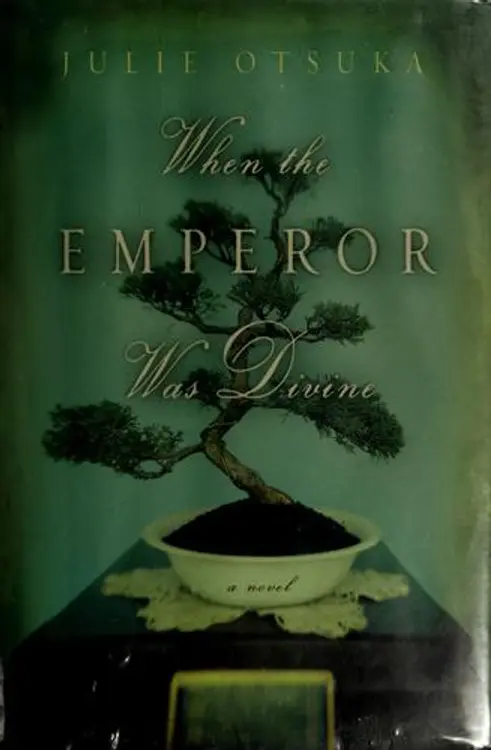
When the emperor was divine: a novel
by Julie Otsuka.

They Called Us Enemy
Steven Scott, George Takei, Justin Eisinger

The Education of Henry Adams (Webster's Chinese-Traditional Thesaurus Edition)
Henry Adams
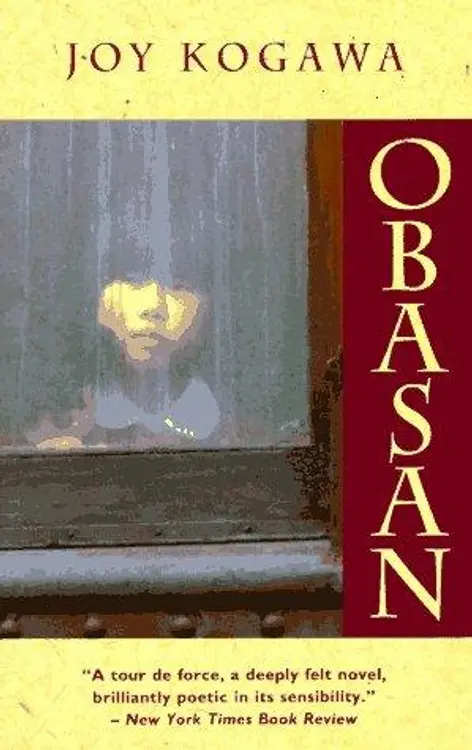
Obasan
Joy Kogawa.

No Ordinary Time: Franklin and Eleanor Roosevelt, The Home Front in World War II
Doris Kearns Goodwin
Desert Exile: The Uprooting of a Japanese American Family
Traise Yamamoto, Yoshiko Uchida
Reader Reviews
No reviews yet for this book.
Be the first to share your thoughts!