
Neurocognitive and physiological factors during high-tempo operations
Our rough guess is there are 65,250 words in this book.
At a pace averaging 250 words per minute, this book will take 4 hours and 21 minutes to read. With a half hour per day, this will take 9 days to read.
How long will it take you?
This book will take an estimated to read at a reading speed averaging words per minute. With 30 minutes per day, this will take to read.
Enter your reading speedYou can take one of our WPM reading speed tests to find your reading speed.
Create a free account to track your reading progress, build your reading list, and set reading goals.
Author
Publication
2010 - Ashgate, Farnham, Surrey, England, England
Language
English
Word Count
65,250 words, Guess
Page Count
261 pages
Identifiers
- ISBN-139780754679233
- ISBN-139780754698258
- ISBN-100754679233
- ISBN-100754698254
- Library of Congress Control Number2009046926
and 4 more
- OCLC Control Number465330531
- OCLC Control Number647925982
- Better World Books9780754679233
- Open LibraryOL24585908M
Classifications
- DDC355.401/9
- LCCU22.3 .N48 2010
- LCCU22.3.N48 2010
and 1 more
- LCCU22.3 .N48 2010eb
Description
Presents state-of-the-art neuroscience data in a format that is comprehensible and informative for readers of diverse backgrounds. It not only details human behaviors and perception, but also provides concise brain imagery and physiological findings to support its conclusions. In addition, the incorporation of the US Army soldier model of extreme stress and extreme performance demands provides a real-life theme that anchors the scientific, organizational, assessment and response aspects of each chapter. This book synthesizes hard facts with real-life accounts of performing under stress and shows how a large oversight institution like the US Army can measure and improve human factors considerations for its members.
Subjects
Topics
Places
Series Statement
- Human factors in defence
Other Editions
- Neurocognitive and physiological factors during high-tempo operations
Similar Books

On Killing: The Psychological Cost of Learning to Kill in War and Society
Dave Grossman.
First do no harm: the paradoxical encounters of psychoanalysis, warmaking, and resistance
edited by Adrienne Harris, Steven Botticelli.
The untold war: inside the hearts, minds, and souls of our soldiers
Nancy Sherman.
Head Strong: How Psychology Is Revolutionizing War
Michael D. Matthews

On Combat: The Psychology and Physiology of Deadly Conflict in War and in Peace
Loren W. Christensen, Dave Grossman
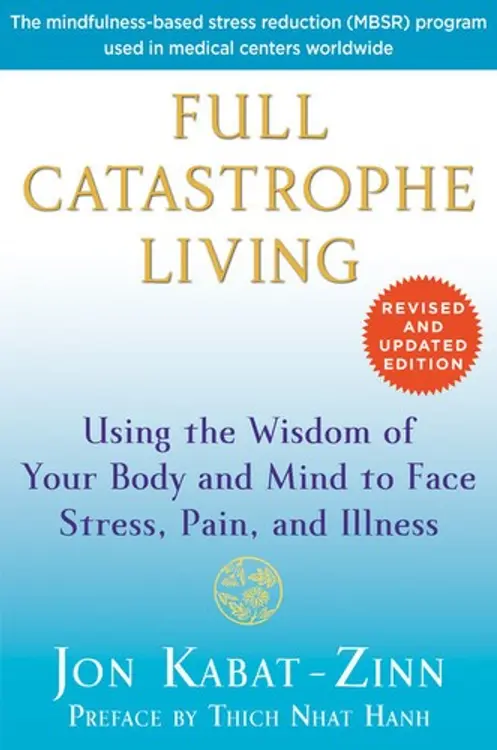
Full Catastrophe Living: Using the Wisdom of Your Body and Mind to Face Stress, Pain, and Illness
Jon Kabat-Zinn, PhD

Stress without distress.
Hans Selye, Hans Selye

groni
Raina Telgemeier
Reader Reviews
No reviews yet for this book.
Be the first to share your thoughts!