
The possessive investment in whiteness
how white people profit from identity politics
Our rough guess is there are 68,500 words in this book.
At a pace averaging 250 words per minute, this book will take 4 hours and 34 minutes to read. With a half hour per day, this will take 9 days to read.
How long will it take you?
This book will take an estimated to read at a reading speed averaging words per minute. With 30 minutes per day, this will take to read.
Enter your reading speedYou can take one of our WPM reading speed tests to find your reading speed.
Create a free account to track your reading progress, build your reading list, and set reading goals.
We earn a commission on purchases
Author
Publication
1998 - Temple University Press, Philadelphia, Pennsylvania
Language
English
Word Count
68,500 words, Guess
Page Count
274 pages
Identifiers
- Open LibraryOL703815M
- ISBN-101566396344
- OCLC Control Number38174247
- OCLC Control Numberpossessiveinvest0000lips_m7p0
- Library of Congress Control Number97053204
and 2 more
- LibraryThing186123
- Goodreads132920
Classifications
- DDC305.8/00973
- LCCE184.A1 L56 1998
Description
In this unflinching look at white supremacy, George Lipsitz argues that racism is a matter of interests as well as attitudes, a problem of property as well as pigment. Above and beyond personal prejudice, whiteness is a structured advantage that produces unfair gains and unearned rewards for whites while imposing impediments to asset accumulation, employment, housing, and health care for minorities. Reaching beyond the black/white binary, Lipsitz shows how whiteness works in respect to Asian Americans, Latinos, and Native Americans.Lipsitz delineates the weaknesses embedded in civil rights laws, the racial dimensions of economic restructuring and deindustrialization, and the effects of environmental racism, job discrimination and school segregation. He also analyzes the centrality of whiteness to U.S. culture, and perhaps most importantly, he identifies the sustained and perceptive critique of white privilege embedded in the radical black tradition. This revised and expanded edition also includes an essay about the impact of Hurricane Katrina on working class Blacks in New Orleans, whose perpetual struggle for dignity and self determination has been obscured by the city's image as a tourist party town.
Subjects
Topics
Places
Times
Other Editions
- The possessive investment in whiteness: how white people profit from identity politics
Show 2 more editions
Similar Books
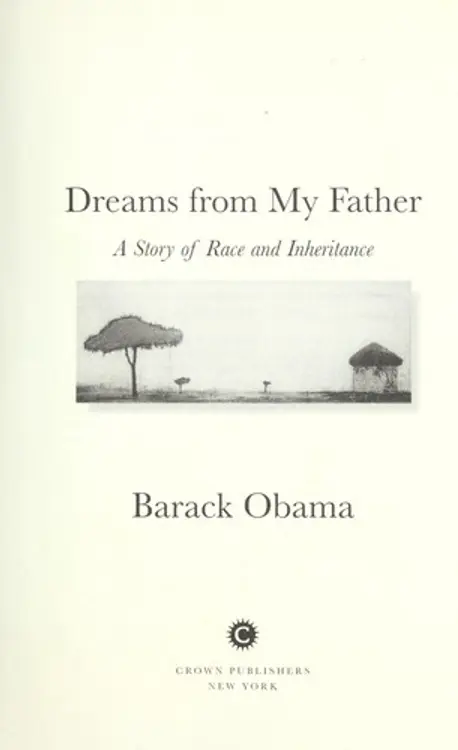
Dreams from my father: a story of race and inheritance
Barack Obama.
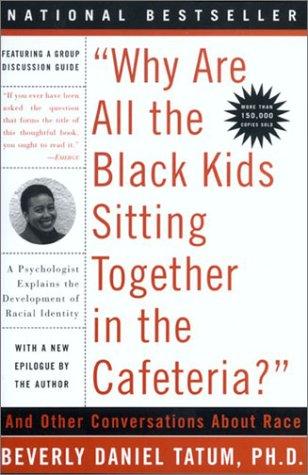
"Why are all the Black kids sitting together in the cafeteria?": and other conversations about race
Beverly Daniel Tatum.

Where do we go from here: chaos or community?
Martin Luther King, Jr. ; [foreword by Coretta Scott King ; introduction by Vincent Harding]

White Trash: Race and Class in America
Annalee Newitz

Between the World and Me
Ta-Nehisi Coates

All God's children: the Bosket family and the American tradition of violence
Fox Butterfield.
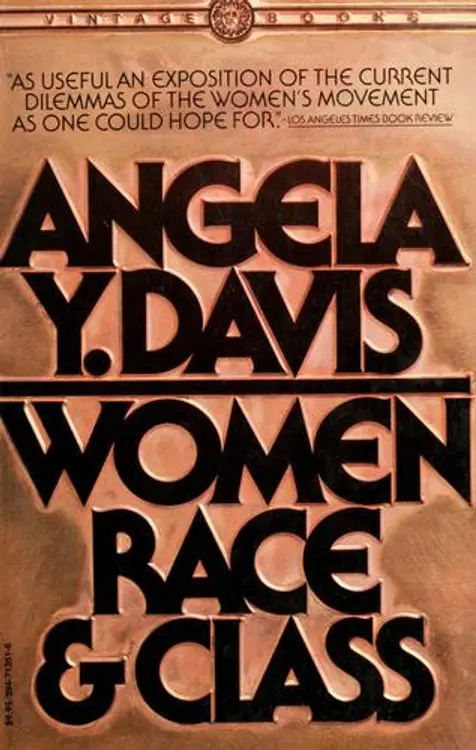
Women, race & class
Angela Y. Davis.

White Fragility: Why It's So Hard for White People to Talk About Racism
Robin J. DiAngelo
Reader Reviews
No reviews yet for this book.
Be the first to share your thoughts!