
Code
Version 2.0
Our rough guess is there are 102,500 words in this book.
At a pace averaging 250 words per minute, this book will take 6 hours and 50 minutes to read. With a half hour per day, this will take 14 days to read.
How long will it take you?
This book will take an estimated to read at a reading speed averaging words per minute. With 30 minutes per day, this will take to read.
Enter your reading speedYou can take one of our WPM reading speed tests to find your reading speed.
Create a free account to track your reading progress, build your reading list, and set reading goals.
Word Count
102,500 words, Guess
Page Count
410 pages
Identifiers
- Open LibraryOL18215289M
- ISBN-139780465039142
- ISBN-100465039146
- OCLC Control Number173610959
- OCLC Control Number156793892
and 5 more
- OCLC Control Number77638613
- Library of Congress Control Number2007310381
- Goodreads44874
- WikidataQ15818082
- LibraryThing6658000
Classifications
- LCCK564.C6 L47 2006
Description
Although the book is named Code and Other Laws of Cyberspace, Lessig uses this theme sparingly. It is a fairly simple concept: since cyberspace is entirely human-made, there are no natural laws to determine its architecture. While we tend to assume that what is in cyberspace is a given, in fact everything there is a construction based on decisions made by people. What we can and can't do there is governed by the underlying code of all of the programs that make up the Internet, which both permit and restrict. So while the libertarians among us rail against the idea of government, our freedoms in cyberspace are being determined by an invisible structure that is every bit as restricting as any laws that can come out of a legislature, legitimate or not. Even more important, this invisible code has been written by people we did not elect and who have no formal obligations to us, such as the members of the Internet Engineering Task Force (IETF) or the more recently-developed Internet Corporation for Assigned Names and Numbers (ICANN). It follows that what we will be able to do in the future will be determined by code that will be written tomorrow, and we should be thinking about who will determine what this code will be. [from http://kcoyle.net/lessig.html]
Subjects
Topics
Places
Times
Other Editions
- Code
Similar Books
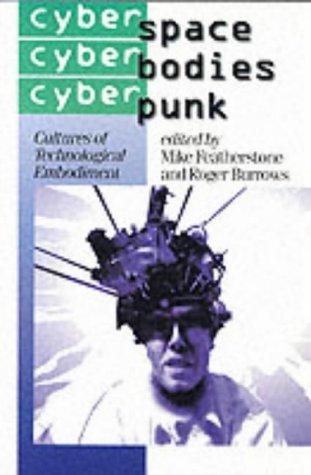
Cyberspace/cyberbodies/cyberpunk: cultures of technological embodiment
edited by Mike Featherstone and Roger Burrows.

Digital capitalism: networking the global market system
Dan Schiller.
China Online: Locating Society in Online Spaces
David Kurt Herold, Peter Marolt

The electronic eye: the rise of surveillance society
David Lyon.
Hereafter
Kate Brian
Reader Reviews
No reviews yet for this book.
Be the first to share your thoughts!